

A 1099 employee, also known as an independent contractor, is a self-employed worker hired to provide service without being on the company’s payroll. Instead of receiving employee benefits or tax withholdings from the business, they invoice clients and manage their own taxes.

So if you are a business planning to hire a 1099 worker, understanding the rules is essential to avoid costly misclassification issues.
This guide explains what a 1099 employee is, how the arrangement works, key classification rules, how to file taxes, and more.
Quick Answer:
A 1099 employee meaning is just an independent contractor or a freelancer working on a business project or client. They work for a business but aren’t on payroll. The company doesn’t withhold taxes or offer benefits like health insurance, retirement plans, and more.
What is a 1099 Employee?
A 1099 employee is an independent contractor, freelancer, or self-employed professional hired to work on a specific or project-based contract. They are not a part of the company’s payroll, and the business doesn’t withhold taxes from their paychecks.
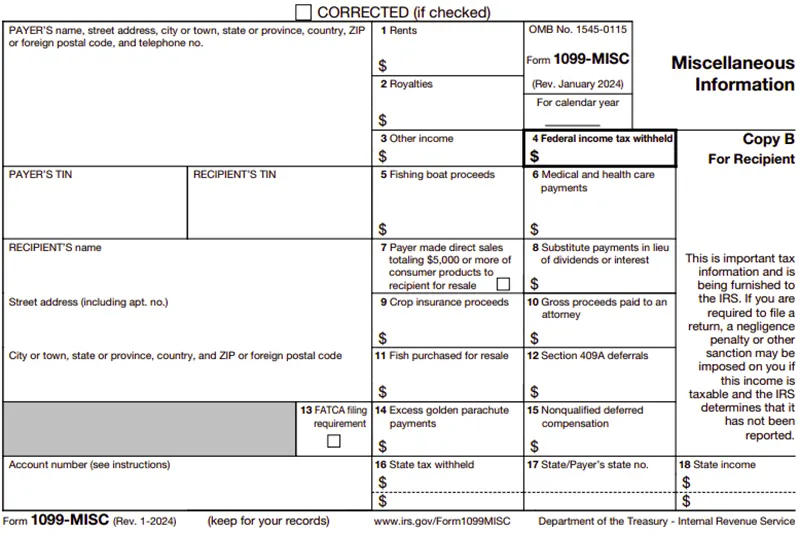
The name itself comes from IRS Form 1099-NEC (Nonemployee Compensation). At the end of the year, the business sends them a 1099-NEC showing exactly how much they were paid over the last 12 months, whereas the full-time employee received the W-2.
A few things that separate the 1099 worker from a W-2 employee are:
- Runs their own business or works as a freelancer
- Sets their own schedule and work methods
- Invoices the client for services rendered
- Handles their own taxes, insurance and benefits
Common examples of the 1099 employee include freelance writers, graphic designers, IT consultants, real estate agents and more.
Characteristics of 1099 Worker
The IRS and the Department of Labor look at a handful of factors to classify an employee as a 1099 worker.
- Financial Independence: The 1099 employee uses and buys their own equipment and tools (laptop, software, etc) that vary with different company requirements.
- No Employee Benefits: No health insurance, paid leave, retirement contributions, or traditional workers’ compensation from the hiring business.
- Contract-Based Relationship: Work is started and agreed upon a employment contract-based or statement-of-work basis, not with an offer letter.
- Project-Based Pay: Payments are typically based on hours worked or completed deliverables, not with a fixed salary.
- Right to Work with Other Clients: A 1099 employee can collaborate with other businesses or clients that include competitors, unless a contract specifically restricts them.
Pros and Cons of a 1099 Employee
Hiring a 1099 Employee is cheaper and more flexible for businesses, but it means giving up control of quality, training, deadlines, and work ethics.
| Pros | Cons |
| No payroll taxes owed (Social Security, Medicare and more) | Less resources (software, material, etc) availability. |
| Get specialized skills without long-term commitments | The working hours will be contract-based with no job security |
| Less paperwork during the hiring process | Difficulty in adjusting to the company culture and metrics. |
| Lower overall cost than a full-time employee | Managing taxes, invoices, contracts, and financial records can be time-consuming. |
| Work flexibility and complete control over the schedule. | |
| Can set your own project rates as per the market standards and your skills. |
What are the Rules for 1099 Employees?
The IRS looks at three things: behavioral control, financial control, and the type of relationship to evaluate whether someone should be a 1099 contractor or W-2 employee.
- Behavioral control:
- Does the company control, or have the right to control,
- What the worker does and how they do it?
- Financial control:
- Who decides how the worker gets paid?
- Who covers expenses?
- Who owns the tools and equipment?
- Type of Relationship:
- Is there a written contract?
- Does the worker get employee-style benefits?
Consider noting that no one or the other factor settles it. The IRS takes a detailed evaluation of the whole tenure and more. But here are a few things that a business should do when hiring a 1099 worker:
- Get a completed Form W-9 before paying them
- Send Form 1099-NEC by January 31 if you paid them $600 or more that year
- Don’t lock them into set hours or require exclusivity
- Don’t hand over company equipment, email addresses, or run them through employee training
- Keep the contract clear on scope, deliverables, and payment
- Should be free from the company’s control while doing the job
- The work is outside what the business normally does
- Already runs an independent trade or business of their own
How to File Taxes as a 1099 Employee?
1099 workers file taxes as self-employed individuals and pay both income and self-employed taxes. Check out what you need to look out for while paying your own taxes.
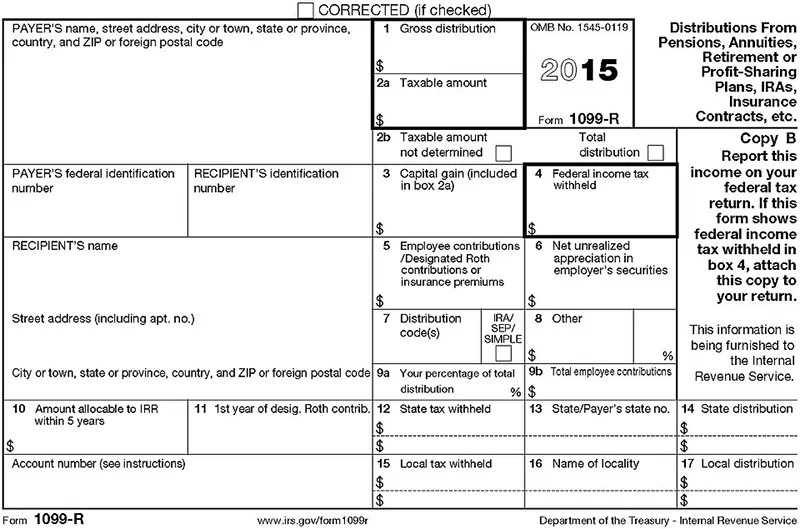
Step 1: Track all Income: Collect all the Form 1099-NEC forms given by the clients you worked with. These documents show the exact data of how much a client paid you during the entire year. Remember, even if a client pays you less than $600 and you are not eligible to receive the form, you are still legally required to report that income.
Step 2: Calculate Self-Employment Tax: Start by calculating all your earnings, then multiply by 92.35% and then apply the 15.3% self employment tax rate. This will give you the exact figures that you have to pay for Social Security and Medicare before other deductions.
Step 3: File Schedule C and Schedule SE: Fill out Schedule C to report income and expenses; then carry out your net profit to Schedule SE to calculate self-employment tax. Both the totals flow into Schedule 1 and finally your Form 1040.
Step 4: Make Estimated Quarterly Payments: The IRS expects quarterly payments in April, June, September and January if you expect to owe $1,000 or more for the year. Avoid missing the deadlines, as it can incur heavy penalties.
1099 Employee vs Traditional Employee: Key Differences
Traditional employees work under the company’s direction and get benefits plus tax withholding, whereas a 1099 employee works independently and pays their own taxes, without getting benefits from the business.
Check out the difference below:
| Factor | 1099 Employee | Traditional Employee |
| Tax Form | Form 1099-NEC | Form W-2 |
| Tax Withholding | None (contractor handles it) | Employer withholds federal, state and FICA taxes |
| Benefits | None from the hiring business | Often includes health insurance, PTO and retirement |
| Work Control | Sets their own hours and methods | Follows the employer’s schedule and rules |
| Job Security | Project-based, contract based no guarantees | Ongoing employment |
| Cost to Business | Lower overall | Higher, due to the payroll taxes and benefits |
| Legal Protections | Fewer protections; minimum wage and overtime rules don’t apply | Covered by FLSA, workers’ comp, anti-discrimination laws |
| Equipments and Tools | Usually bring their own | Provided by the company |
Conclusion
A 1099 employee isn’t really an employee; they are an independent worker or contractor who works with different clients and businesses at the same time. Businesses save money by hiring contractors instead of staff, but need to follow the classification rules by the IRS closely to avoid any misunderstandings. 1099 workers get more freedom and control over the work, but are liable for their own taxes.
So if you are planning to step into the 1099 employee world, treat yourself like a business.
FAQs
1. What is a 1099 employee in simple terms?
Ans: A 1099 worker is a self-employed freelancer or independent contractor. They provide service to your business, but are not a part of your company’s payroll.
2. How does 1099 work for payroll?
Ans: 1099 employees are not the full time employee that are eligible for the company’s payroll.
3. How many hours can a 1099 employee work?
Ans: A 1099 contractor has no hourly limit. They work based on contract terms and deliverables, not fixed hours.
4. Do 1099 contractors get fired or terminated?
Ans: 1099 contractors aren’t fired, their contract is terminated. Since they’re not employees, termination follows the contract’s terms (notice period, laws and more).