
Benefits administration serves the purpose of enhancing employee engagement in an organisation, as it is the structured process of creating, tracking, and managing the employment perks.
From Paid Time Off (PTO) to parental leave and other worksite coverage, employee benefits administration is the program that supports the people across the business.
These plans are often supervised and developed by HR managers or benefit administrators, who fulfil the duties of assisting workers in enrollment of policies and selecting competitive benefits.
However, to understand its key benefits, challenges and the best practices for implementation, read our comprehensive article below.
What is Benefits Administration and Why is it Used by Organizations?

Benefits administration meaning is the strategic process of assessing, developing, managing, or updating the employee benefits program or compensation packages provided to the organisation’s workers.
Whether your firm has to manage the Voluntary Time Off (VTO), accrual PTO, retirement plans, bereavement leaves, or employee stock ownership plans (ESOPs), you will have to configure employee benefits administration efficiently.
However, it is primarily used by organisations to hire and retain high-performing talent, optimising HR’s operations, and selecting the ideal compensation to offer that aligns with the firm’s budget.
As the benefit admin consists of 401 (k) contributions, medical insurance, commuter, and tax benefits, it ensures a productive environment and enhanced employee engagement.
Also Read: 90 Good Questions To Ask In An Interview: A Detailed Guide For Employers And Candidates
What are the Important Steps in the Efficient Benefits Administration Process?

Building a comprehensive strategy on which employee benefits to offer, along with adhering to legal compliance and training workers. These are among the principles your business can use to set up an efficient benefits administration.
Here’s how you can implement these crucial steps while preparing total rewards management for your firm.
1. Benefit Administration Planning to Determine the Perks to Offer to the Workforce
The initial step is to prepare a substantial plan by selecting the ideal employee benefits that can be offered.
These compensation benefits include Dearness Allowance (DA), a category of medical insurance, the number of allowed PTO days, parental leave, and equity incentives.
However, you have to choose these perks based on the workforce at various levels, as each employment type will be entitled to receive different benefits and services.
2. Ensuring Federal Compliance and Adherence to Regulatory Standards
While developing a substantial strategy, it is also important to ensure compliance with regulatory standards and legal obligations. The important compliance areas include GDPR, SPA, FMLA, ECA, HIPAA, COBRA, ERISA, SG, and the Fair Work Act.
Organisations must adhere to these federal and regional administrative protocols and ensure regular compliance with records, along with a structured process for monitoring regulatory changes. This helps in avoiding hefty legal charges and fines.
3. Implementing Employee Benefits Admin Programs and Educating Employees
The benefits system administrators and managers need to design the program and implement it efficiently after educating the workforce. They are required to make the employees aware of the enrollment deadlines and process of availing these perquisites.
While these are primarily mentioned in the Job offer letter of the new hires, HR teams and managers must teach them about benefit combinations. This includes specifying rules and contribution levels as well.
4. Configuring Open Enrollment and Package Management
Managing open enrollment helps employees in deciding to continue the previous selection or avail a new plan for the new financial year.
As open enrollment refers to the annual cycle that allows employees to make changes to their plans, it ensures effective decision-making and quality assurance.
Optimal benefits package management contributes to reducing expenses while giving real-time insights to HR teams about the inefficiencies and areas of improvement.
5. Leveraging Technology for Automation and Upholding Data Accuracy
From managing compliance documentation to employee payroll and service administration, maintaining data accuracy will help improve operational efficiency.
Streamlined employee benefit administration program assists firms in avoiding unnecessary deductions, denial of claims, and insurance gaps, along with enhancing employee satisfaction.
Utilising technology for data privacy and management is beneficial, as you can leverage AI, analytics, and advanced HR software for tracking KPIs and claim costs.
What are the Key Benefits of Benefits Administration?
Improved communication, effective risk management, business expansion, and optimal employee satisfaction are among the core advantages of benefits administration. Learn more about them in detail below.
- Contributes to Long-term Success and Scalability: With cost optimisation and better control of high-volume tasks, your firm can establish better market presence with data-driven decision-making, along with consistent and scalable growth.
- Better Talent Recruitment and Retention: As hiring managers and HR teams aim at hiring a high-potential workforce, an efficient benefits administration program can build your brand credibility. This helps attract the right talent while retaining the best ones.
- Enhanced Communication, Productivity and Satisfaction of Employees: As workers tend to receive more time off days, compensation, incentives, and other employment perquisites, organisations can enhance overall workforce productivity and employee engagement.
- Improved Risk Management with Effective Compliance Adherence: Precise and detailed records help in adhering to legal regulations, while reducing the risk of heavy penalties and protecting the sensitive information of the business.
Also Read: LWD Full Form Explained: Last Working Day in a Job
How Can You Implement Best Practices for Optimised Benefits Administration?
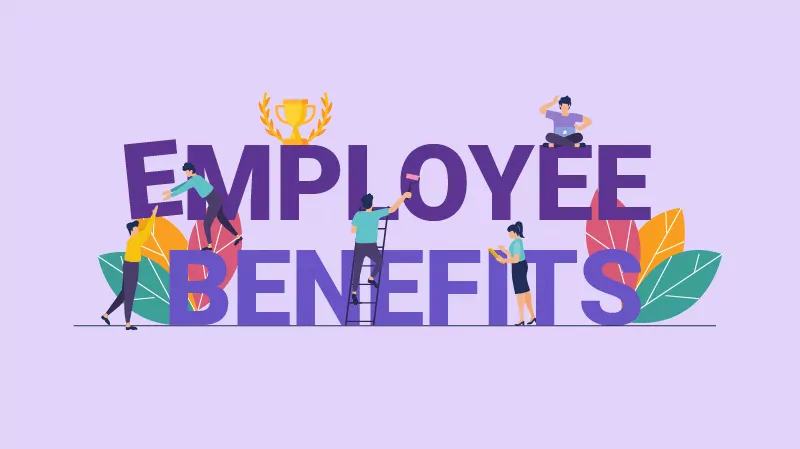
Firms are required to initially assess the employee demands and structure budgets effectively, along with informing the workforce about the employee benefits program. Here’s how businesses can implement these best practices.
- Determine Requirements of the Workforce and Develop Plans Accordingly: The most crucial aspect is assessing the needs of employees and setting up cost-per-person and budgets accordingly.
This assists in providing flexible support and implementing plans that boost employee morale and job satisfaction.
- Inform Employees about New Benefits Implementations and Changes: As you send a heartfelt welcome to the team message to the new hire, it is also crucial to convey the changes and updates in benefits plans.
Also, make sure to receive feedback and conduct data analysis accordingly.
- Flexible Rosters with Options for Remote Work: Firms can provide a WFH setup or switch to remote employment for improved workforce satisfaction.
However, it is recommended to have flexible rosters to adjust the meetings and important tasks of employees on leave.
- Maintain Work-Life Balance and Monitor Results: Mental health holds utmost importance for everyone, and organisations must ensure work-life balance by providing enough PTO days and competitive salaries.
Also, track ROI and the progress of plans for better upgrades.
What are the Primary Challenges for Benefits Administration and How Can You Overcome Them?
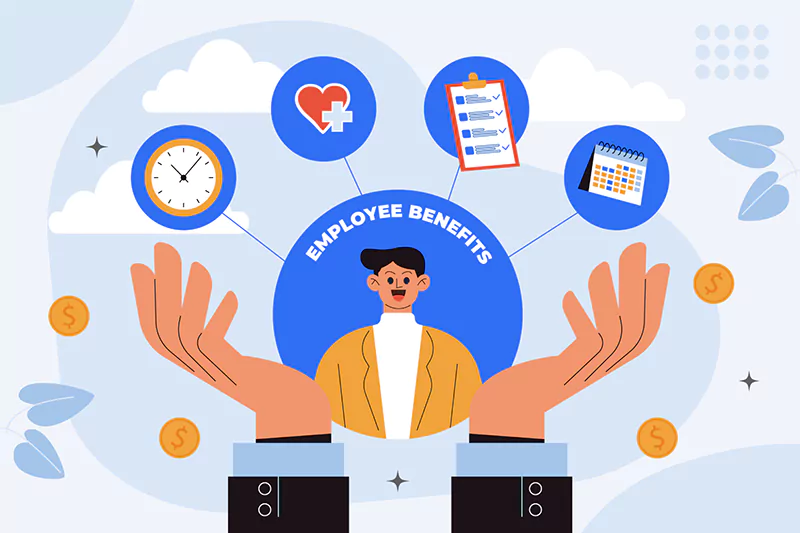
From difficulties in complying with the legal aspects to administrative overhead and lack of efficient technology integration, HRs often face these primary challenges for benefit administration.
- Higher Administrative Overheads: Managing employment contracts, multiple vendors, along with manual handling of enrollment and invoice verification, can be resource-intensive and time-consuming.
However, it is advisable to opt for open enrollment and clearly mention the details of employee benefits in joining letters. Also, ensure to customise compensations based on diverse workforce needs.
- Balancing Business Growth with Financial Planning: As firms scale, they face budget constraints, new jurisdictions, and limited access to advanced technologies, which negatively affect employee engagement.
The use of reliable HR software, a single benefits administration service provider, and centralised management can help in balancing scalability with rising costs.
- Compliance Risks and Data Accuracy: While federal regulations tend to change, it becomes challenging for organisations to track legal updates, maintain data accuracy and avoid penalties.
With the help of spreadsheet-based tracking and conducting frequent audits, your firm can significantly reduce compliance and data errors.
Also Read: What is Job Identification 210680913 and How Does it Help Firms in Streamlining Recruitment
How Managetrix Helps Streamline Your Firm’s Benefits Administration Requirements?
Beyond the options of Payroll administration software or a professional employment organisation, Managetrix acts as an ideal solution for building a streamlined benefits administration policy for your organisation.
As Managetrix is an advanced HR software, it automates open enrollment and redundant administrative tasks while simplifying workflow. With your firm’s growth, this efficient platform manages scalable needs and tracks the performance of the workforce.
It also assists in tracking regulatory obligations to mitigate compliance errors and legal risks, along with upholding data accuracy. Managetrix serves as an all-in-one software that enhances transparency and allows employees to track and manage their benefits through its self-service portals.
Wrapping Up
While benefits administration is important for better employee engagement, talent retention, and legal compliance, firms must build comprehensive plans based on workforce demands and budget allowance.
As this process manages, designs, and optimises the employee benefits program of an organisation, it contributes to productivity enhancement for improved market presence.
However, ensure to use a prominent HR software for reducing manual efforts, data errors, and tracking federal updates.
FAQs
1. What is the primary role of benefits system administrators?
Ans: A benefit administrator or manager supervises each aspect of the compensation program. It includes managing the carrier invoices, selecting medical insurance and retirement plans, along with completing necessary compliance documentation.
2. Why do you need Managetrix for streamlining the employee benefits administration process?
Ans: Managetrix is an advanced HR software that helps businesses in automating enrollment and redundant tasks, along with ensuring legal compliance, data accuracy, and tracking the performance of the workforce.
3. What is the meaning of benefits administration?
Ans: Employee benefit administration refers to the structured process of developing, managing, updating, and communicating employee perks. These include health insurance, paid time off (PTO), equity compensation, retirement package, and more.
4. What are the significant advantages of employee benefits?
Ans: From recruiting and retaining the best talents, to complying with federal regulations, optimising workflows, along with enhancing workforce productivity and satisfaction, are among the key advantages.