
Democratic leadership is a leadership style where team members are encouraged to share their ideas, opinions, and suggestions before making decisions. Instead of one person making all the decisions, the leader involves the whole team and values everyone’s input.
In this article, we have broken down the characteristics, pros and cons, and how to strengthen your leadership style in the corporate world, along with the world’s rising leader examples.
What is a Democratic Leadership Style?
The democratic leadership style, widely known as participative leadership or shared leadership, is a modern-day approach where managers and other team leaders invite team members to share their opinions, ideas, and feedback before making a final decision.
So instead of just issuing an order like the old-school autocratic style, the leader first talks it through the team, hears out and notes down the different perspectives, and then decides on something that reflects more than their own thinking.
Democratic Leadership Definition
Democratic leadership meaning is a leadership style where leaders involve team members in decision-making and sharing ideas. It emphasizes collaboration, open communication, and diverse perspectives while the leader remains responsible for the final decision.
Benefits of the Democratic Leadership Style
The democratic style has many employee-focused positives that will build performance in most modern business operations. Here is an overview of those key positives:
- Increases Job Satisfaction and Motivation: Employees have a sense of value and respect when asked for input. According to recent research, having employees involved in decisions about the daily activities of their job dramatically boosts overall satisfaction with working and motivation toward job responsibilities.
- Reduces Turnover Rate: Employees who feel heard and valued remain satisfied and do not merely look for other employment opportunities. Creating an open communication culture reduces the overall turnover rate, which further reduces the cost spent on recruitment and training new hires.
- Encourages More Innovative Solutions: By opening the communication barrier for different views or ideas, businesses can get more creative thinking rather than just using one brain. Teams can develop unique solutions to problems, ultimately creative, innovative products and growth.
- Builds Deep Trust Across Teams: A room where the leader openly shares the challenges and provides feedback, instead of immediate judgment, fosters openness and trust. This is where employees believe in the motivations of their leadership team and feel comfortable taking calculated risks.
Characteristics of Democratic Leadership
Recognizing a true democratic leader includes observing specific, daily behaviors and operations that characterize their ability to lead teams.
- Active Listening: A democratic leader listens more carefully to the views and opinions of team members as opposed to listening in order to wait for their opportunity to speak.
- Open Communication: All team members receive information from management concerning both the organization’s objectives and its challenges.
- Shared Responsibilities: The leader will provide direction for the organization but everyone else shares responsibility with regard to achieving project objectives and meeting goals.
- Equality: Whether you are an entry-level employee or in a senior leadership position, your contribution is given equal consideration that comes through a title, experience, or simply a unique idea.
- Flexibility: As needed, these leaders can change direction quickly and also be open to using new methods to accomplish familiar responsibilities.
Read Next: What is a Cross Functional Team? Benefits, Common Challenges, and Why do you Need One
Pros and Cons of Democratic Leadership Style
Every democratic leadership style has its strengths and weaknesses. The table below looks at the pros, along with some of the challenges that can come with using this approach.
| Pros | Cons |
| Increases employee motivation and morale and motivates them to perform better, knowing their voice matters. | More time is required to make decisions with this approach. |
| Decreases the employment rate by making employees feel they have a contribution to the business growth and profits. | This style requires more patience, communication skills, and effort from the top authorities. |
| Employees working at the forefront of operations are more likely to identify solutions to problems that a manager may overlook. | Doesn’t provide adequate structure or decision speed for emergency situations. |
| Enhances trust among team members and makes concerns regarding risks and mistakes more noticeable. |
When to Use and Not Use Democratic Leadership?
Knowing when to involve the team and when to make quick decisions is important for keeping things running smoothly. The table below breaks down when participative leadership works best and when it may be better to take a step back.
| Use Cases | When to Use/When Not | Reason |
| Brainstorming New Ideas | Use democratic style | Maximize creative output and ensure long-term momentum. |
| Handling Workplace Crisis | Do not use | Emergencies require rapid, fast decision-making rather than lengthy debates and decisions. |
| Shaping Company Culture | Use democratic-style leadership | Fosters loyalty and inclusivity and makes staff feel connected to the business mission and vision |
| Innovation matters more than speed | Use a democratic style | Creative thinking gives rise to different ideas and thinking, resulting in better ROI. |
| Dealing with Strict Guidelines | Do not use | Long-term discussion and feedback consume more time when you are running out of it. |
| Complex Strategic Planning | Use democratic style | Pulls in cross-functional expertise from various departments for a well-rounded plan. |
How to Strengthen Your Democratic Leadership Style?
Creating a more collaborative workplace takes a clear and structured approach. The goal is to involve people in decisions while still making sure everyone knows their responsibilities and remains accountable.
- Establish Clear Boundaries
Be specific about what kind of input you want from them. Involving your team doesn’t mean providing them full control. Say upfront which decisions are open for discussion and which aren’t.
- Encourage Open Discussions
Schedule regular opportunities that include brainstorming or feedback sessions to invite new ideas and creative thinking. Make sure they feel comfortable sharing their thoughts without fear of retaliation when speaking out.
- Build Communications Channels for Feedback
Create real, reliable ways for people to share feedback that include anonymous surveys, open office hours, and structured brainstorming sessions or whatever works best for your team.
- Stay Decisive and Transparent
Do not keep your team waiting around after gathering enough insight. Make your decision confidently and explain to them how their ideas contributed to the final outcome.
- Maintain Balance Between Inclusion and Accountability
It’s great to allow people to share their ideas; however, responsibilities must still be met. Clearly define expectations and assign task ownership, then follow through on ensuring execution matches the plan.
Real-World Democratic Leadership Examples
Examining the top-level global executives provides valuable insights into how democratic leadership can result in billion-dollar successes.
1. Sundar Pichai (CEO of Google)
Sundar Pichai, CEO of Google, appears to take a more consensus-driven style than many of his peers in technology. He has been relatively open about the fact that sometimes this results in decisions taking longer to make.

- Key Attributes: Empathetic and calm under pressure, active listener, strong believer in empowering engineers over micromanaging.
- Achievements: Spearheaded Google’s transition to an enterprise focused on AI, scaled massive products such as Chrome and Android, and maintained industry-leading retention rates by creating psychological safety for employees.
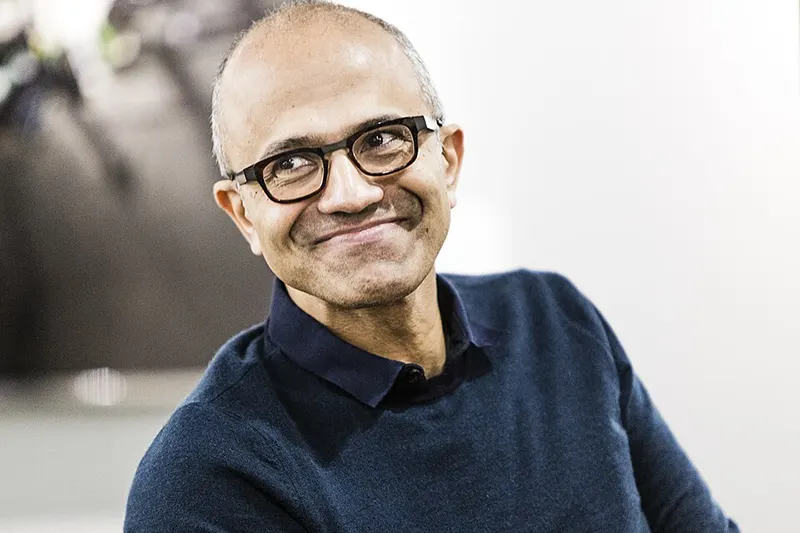
2. Satya Nadella (CEO of Microsoft)
Satya Nadella encourages all Microsoft employees to be open-minded toward learning from each other and sharing new ideas. Nadella believes in teams, and levels within an organisation should have input when it comes to major business decisions.
- Key Attributes: Collaborative decision-maker, growth mindset, collaborative and inclusive approach to leadership, and more.
- Achievements: Helped transform the culture of Microsoft as a whole, led Microsoft’s transition to cloud dominance with Azure, and made large strategic acquisitions such as GitHub.
Check this out: 25+ Self-Evaluation Examples for Performance Review: How to Write an Effective Self-Assessment
Conclusion
The end result of this approach is an empowered team that will ultimately provide resilience, motivation, and a strong unit as they address challenges.
Ultimately, the democratic leadership style also enables the individual development of the employee and the collaborative environment that fosters trust and allows each member of the group to be at their best, which can boost greater engagement and higher growth.
Read Next: What is the Employee Life Cycle? 7 Stages, Optimization, Challenges, and More
FAQs
1. What is Mark Zuckerberg’s leadership style?
Ans: Mark Zuckerberg uses a mix of transformational and laissez-faire leadership, ensuring a strong long-term vision, high employee value, and fast-paced work culture.
2. What is another name for the democratic leadership style?
Ans: The other names for the democratic leadership style are participative leadership, collaborative leadership, and shared leadership.
3. What are the 7 main leadership styles?
Ans: Autocratic, democratic, transformational, transactional, laissez-faire, servant, and coaching are the seven main leadership styles.