

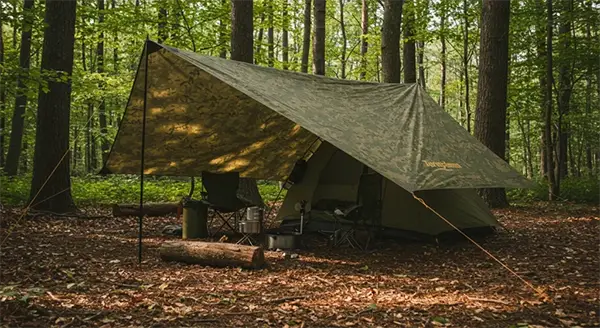
Imagine you have found the perfect spot for your group to set up camp, you proceed to lay everything down, and things are looking great, but the weather has other plans. Without any protective coverings or weatherproofing, it can all come crashing down in a matter of minutes.
This is why experienced campers use a tarp that is of premium quality and offers protection against harsh weather. It not only saves you from losing your gear but can also safeguard you against outside threats.
Let’s look at the most common mistakes people make on a camping trip, and how you can avoid all those.
Key Takeaways
- Tarnplanen-grade covers use heavy fabric, reinforced attachment points, and proper weatherproofing
- Ensure that the grommets are double-reinforced and spaced no more than 18-24 inches apart
- Understanding your ridge line angles, guy rope tension, and drainage pitch in a low-stakes environment prevents issues faced at later stages
- Storing a damp tarp can cause mold or mildew to grow and damage its surface in folded areas
The Tarp Errors Experienced Campers Never Make Twice
Most camping gear mistakes are recoverable. A tarnplanen failure in the middle of a rainstorm is not. These five mistakes are the most common — and the most avoidable with basic preparation.
Mistake 1: Buying by Price Alone
The $15 tarp will cost you more in replacements and ruined trips than a $60 quality cover.
This is why just going on the upfront price alone would actually end up costing you way more than what you think, destroying all your gear and setup in the process, and increasing your expenses considerably.
Tarnplanen-grade covers use heavier fabric, reinforced attachment points, and proper weatherproofing. The difference is immediately visible in the weight and feel of the material.
Mistake 2: Ignoring Grommet Quality
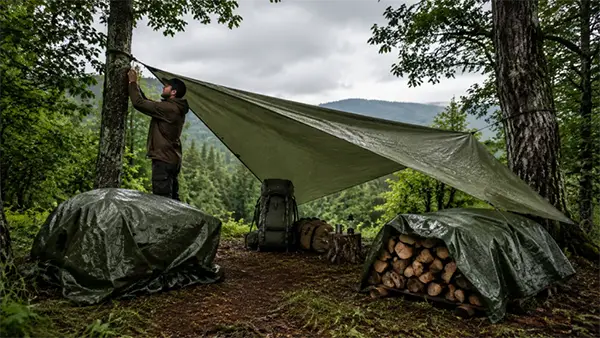
Fabric failures are rare. Grommet failures are the primary cause of tarp performance issues in real conditions.
Check that grommets are double-reinforced and spaced no more than 18–24 inches apart. Single-ring grommets pulled through thin fabric will fail under wind load.
It is important to pay attention to such minor specifications, as they can be the sole differentiator between a strong setup and a weak base that offers barely any protection under adverse circumstances.
Mistake 3: Not Testing the Setup at Home First
Test your tarnplanen setup at home before any trip. Understanding your ridge line angles, guy rope tension, and drainage pitch in a low-stakes environment prevents a 2 am problem-solving session in the rain.
Ensure that you fully test and examine the capabilities of the bought setup. This allows you to identify any shortcomings that may impact your experience under real conditions, as it is really tough to get assistance when facing problems in a remote spot.
Fun Fact
Many tarnplanen are made with “ripstop” fabric. This reinforced weaving technique keeps small punctures from tearing into larger, catastrophic rips.
Mistake 4: Wrong Pitch Angle for Conditions
A flat or low-pitch setup pools water. In sustained rain, pooled water creates weight and pressure that can collapse a setup or create leaks at seams. Always pitch with a drainage angle — steeper in heavy rain, flatter in high wind.
Accounting for these things allows you to scout out issues and prevent them from ever taking place at your setup, ensuring that your camping trip goes smoothly and you enjoy the full experience without worrying about any problems that may occur in the future.
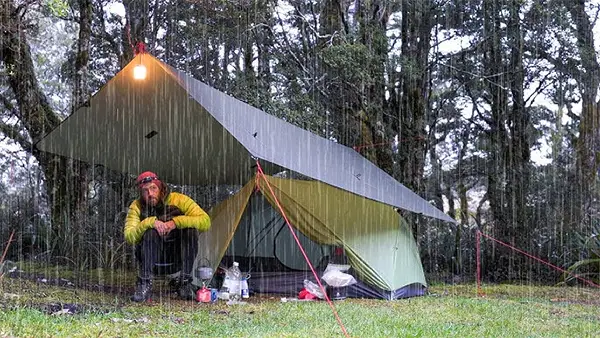
Mistake 5: Storing Damp
Storing a tarp even slightly damp allows mold and mildew to grow in folded areas. This degrades waterproof coatings and fabric integrity faster than any outdoor use.
Remember to dry the tarp, base, and roof before storage, and keep away from water to ensure the coatings last and the quality of the materials is maintained, so you can use them for future trips safely, without needing to reinvest in the same things.
To easily understand all the essentials to a safe camping trip, be sure to check out the full care guide on The USA Network.
FAQs
1. Why is it important to test the equipment at home?
Ans: Testing the equipment at home helps identify existing issues early and allows enough time for replacements or adjustments, helping you avoid problems later.
2. Which kind of grommet is best suited for a camping trip?
Ans: Double-reinforced grommets are best suited because they provide extra protection. They should be placed no more than 18–24 inches apart for the best support.
3. What is a tarnplanen?
Ans: A tarnplanen is a protective covering used to shelter, protect, or conceal supplies or camps from the outside environment while offering resistance against harsh weather conditions.
4. Why should you not get influenced by price alone?
Ans: Choosing a cheap alternative may reduce upfront costs, but it can become expensive later if the quality of protection is poor. It is usually better to invest in quality materials from the beginning.