
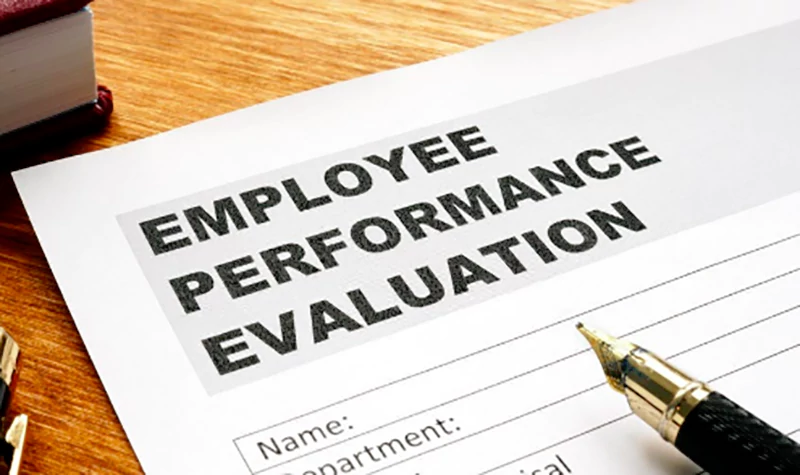
The performance reviews are a significant aspect of team management and assist employees in their professional development. A performance review can inspire employees, enhance productivity, and foster better communication between managers and employees when properly done.
Most managers, however, are faced with the difficulty of how to carry out the perfomance reviews. This guide discusses how to conduct performance reviews and the best practices that can make the meetings meaningful and productive.
What is a Performance Review?

A performance review or employee review is a formal assessment of the performance of a worker at the workplace during a given time.
This review is aimed at evaluating the successes, finding out the aspects that can be improved, and matching the goals of the employees with the organizational ones.
Performance evaluation normally involves a number of aspects, which include:
- Job productivity and performance
- Merits and accomplished objectives
- Communication and teamwork
- Skills development
- Areas that need improvement
A majority of organizations have a formalized performance evaluation process that may take place annually, semi-annually, or quarterly, depending on the policies of the company.
The employee review process is very significant, as it ensures clarity and development as well as enables managers to support their teams in a better way, and performance reviews play a significant role in it.
Why Do Performance Reviews Matter in the Workplace?
Proper performance review in the workplace is beneficial to both the hiring manager and employees. Reviews, used correctly, provide a chance to develop professionally and improve relationships within the team.
Benefits for Employees
Effective performance reviews are beneficial to employees as they are certain to get the following:
- Clear feedback on their work
- Rewards for performance
- Coaching on performance
- Opportunities to develop careers
Benefits for Managers
Managers also gain a lot by undertaking the performance reviews, as they are able to:
- Evaluate team productivity
- Identify training needs
- Improve team communication
- Sharpen personal objectives and corporate aims
Management performance review processes can bring transparency and accountability in organizations when undertaken on a regular basis.
How to Conduct Performance Reviews?
Managers often ask how to conduct a performance reviews in a way that will be productive, constructive, and fair. The review meeting can be more productive for all parties by following a clear process.
Step 1: Preparing for the Review
One of the most important aspects of the employee review is preparation.
When you are wondering how to prepare a performance review, begin by gathering information about the performance of employees during the perfomance review period.
At the stage of preparing the performance review, managers need to:
- Raise employee objectives and key performance indicators (KPIs)
- Review accomplishments and projects done on-site and at work from home
- Designate feedback on the part of colleagues or stakeholders
- Compare performance and productivity indicators
- Take notes of past perfomance reviews
The provision of in-depth information will mean that the review discussion on performance will be anchored in facts and not in personal perceptions. It is also easier to write performance reviews following the meeting, which is well prepared.
Step 2: Arrange a Performance Review Meeting
A performance review meeting ought to be arranged ahead of time to allow the employees time to prepare.
Managers need to develop a clear agenda when a review meeting is to be conducted. This can assist in maintaining the discussion as productive and focused.
An agenda for a typical performance review meeting is:
- Review of previous goals
- Discussion of achievements
- Determinants of area of improvements
- Employee feedback
- Setting the goals for the next employee review cycle
The structured meeting format assists managers in carrying out a performance review more effectively.
Step 3: Start the Review Process Positively
Regarding performance review tips that could be regarded as one of the most effective ones, the managers should start the discussion with positive feedback.
When the achievements of employees are noted initially, they become more receptive to constructive criticism.
Examples of positive feedback can be:
- Clearly accomplishing significant projects
- Exhibiting effective teamwork
- Achievement of higher performance targets
- Developing professional competencies
- Rewarding achievements will help the employee feel that he or she is respected, and this will put the performance review process in a positive light
Step 4: Problem Areas to Improve
In addition to the successes, managers ought to comment on the areas where the employee can work.
This is one of the major aspects of effective performance reviews that must be approached with caution.
The managers need to be specific with the examples rather than giving vague feedback.
For example:
Instead of saying, “Your communication needs to be better.”
Say, “During the last project update meeting, it was stated that some of the team members required more precise schedules. Enhancements of communications on project updates may assist the team to keep on track.”
Constructive and specific feedback will make employees know what can be done to improve their performance.
Step 5: Promote Two-Way Communication
An efficient performance appraisal conference must not be only a one-sided speech. Rather, it must be a substantive discussion between the employee and the manager.
Avoiding the unwillingness of employees to express their views allows managers to learn more about the experience, difficulties, and ambitions of the employees. This helps to balance and make the employee review process more effective.
Questions that can be picked up to promote two-way communication by the managers include:
- What are your perceptions concerning your performance in this performance review cycle?
- What do you need from my side to do your job better?
- Do you have any skills that you wish to work on?
This will ensure the performance review meeting is more participatory and will assist in the establishment of trust between managers and employees.
Step 6: Establish Objectives of the Next Review Cycle
Establishing clear future goals is necessary to allow the employee to understand their role and duties. Once the managers have talked about the performance and areas of improvement, they must collaborate with the employee in setting some measurable objectives for the next performance review.
These goals should be: specific, measurable, achievable, relevant, and time-bound.
This is a systematic way of keeping the employees focused and makes the perfomance review at work more efficient.
Step 7: Report the Performance Review
The managers are expected to recap the main points that were discussed during the meeting, which include:
- Employee achievements
- Feedback on performance
- Areas for improvement
- Next review period objectives
Good documentation is useful in case the managers have to write the performance review later or in the next annual review of the employees.
It guarantees transparency and consistency in the process of management performance review.
Read Next: LMS Meaning — What Does LMS Mean in Text and Online?
Best Practices for Effective Performance Review
The performance review does not have to be stressful and can be made more effective, as the following are the best practices for performance reviews:
Provide Regular Feedback
The performance feedback must not be done only once a year, during the annual employee review.
Managers are supposed to offer feedback on a year-round basis so that the employees are never left guessing on how they are performing. This will result in better perfomance reviews since the meeting does not have any surprises.
Be Specific and Objective
The managers need to provide clear examples and measurable outcomes when giving feedback.
Rather than saying, “We need to work on your performance.”
It is more helpful to say, “The consistent ability to meet project deadlines will contribute to the enhancement of productivity for the team.”
Critical feedback enhances the transparency of the performance review.
Focus on Development
A managerial performance review must not only be evaluated but also focused on growth.
The managers are supposed to assist employees in identifying:
- Training opportunities
- Skill development areas
- Career progression paths
This makes the employee review a development discussion and not just a performance review.
Avoid Bias
The entire process of review requires fairness. Managers must evaluate their employees using facts, performance, and recorded success, and not subjective values. This enhances the credibility and trust of the employee review process.
Follow Up After the Review
The discussion should not conclude with the review meeting. Managers must make regular follow-ups to ensure the progress is on track and offer guidance where necessary. This makes sure that the performance review process results in actual improvement.
Top Performance Review Pitfalls to Avoid
Even the managers who are experienced do not always get it right during the performance review meetings. These are some of the most frequent issues that can be avoided to enhance the effectiveness of the process.
Lack of Preparation
The inability to examine the data of the achievements or performance of the employees can make the meeting ineffective. It is necessary to get ready for review discussions.
Providing Feedback Laden with Negativity
When there is balanced feedback, more employees are receptive. Appreciation of the efforts is as much as talking about the aspects of improvement in performance reviews at work.
Being Too Vague
Broad remarks do not assist employees in improving. The need to write an effective employee review and the “how to do this” section need clear and specific examples.
Talking More Than Listening
Managers must enable the employees to express their views. Being a good listener enhances the whole performance review meeting experience.
Final Words
Conducting an effective performance review is a valuable skill for every manager, as it is useful in assessing performance, enhancing communication, and helping in employee development.
Through planning the review meetings, fostering a transparent dialogue, and creating attainable objectives, managers can transform the review meetings into a useful developmental experience.
Hope, now you know how to conduct performance reviews. So, be prepared, as Well-conducted review meetings leave the employees performing better, besides enhancing the organizational performance and culture.
Read Next: What Does Semi Monthly Pay Mean? and How Does It Work?
FAQs
1. What is the best practice for performance review?
Ans: To effectively carry out the performance review, the managers are required to plan beforehand by reviewing the goals, achievements, and performance statistics of the employee. Plus, it is important to start with a good talk first, promote two-way communication, and set clear goals for the next cycle.
2. How to do a performance review as a manager?
Ans: The preparation of a performance review discussion entails compiling information regarding the performance of the employee. You must look at previous goals, key performance indicators, projects, and the feedback of colleagues.
3. What are the main pillars of the performance review meeting?
Ans: The performance cycle is based on planning, monitoring, reviewing, and rewarding. The goal is to align your expectations with the employee’s outcomes by pushing confidence into him.