
Traveling allowance is a financial reimbursement provided by an employer to an employee. It covers the expenses during business-related travel, including airfare, accommodation, meals, and transportation.
A traveling allowance acts as a vital tool that allows employees to perform official duties without bearing the cost of travel.
Furthermore, this blog will help you answer what is the travel allowance.
What is Travel Allowance?
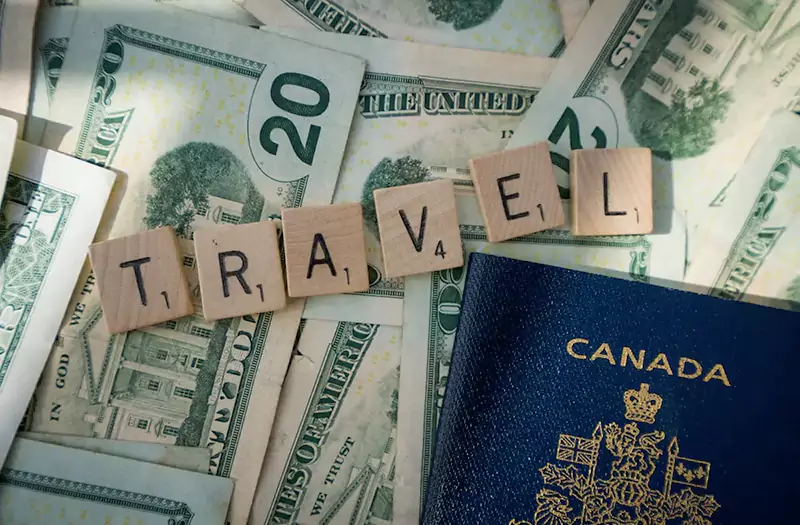
A traveling allowance (TA) is a financial allowance or reimbursement provided by an employer to cover costs incurred by an employee when traveling for work-related purposes. Which is usually mentioned in employment contract.
This is in addition to the salary provided. It is intended to ensure that employees are not personally burdened by the expenses of official business trips.
It has 3 core components:
- Transportation: Airfare, train or bus tickets, and car rentals.
- Accommodation: Costs for hotel stays, guesthouses, or rental apartments.
- Living Expenses: Daily costs such as meals, laundry, and other incidentals like parking or internet fees.
What are the Types of Traveling Allowance?
The traveling allowance has 5 major types, including Fixed Travel Allowance, Daily Allowance, Mileage Allowance, Travel Reimbursement, and Lodging Allowance. These cover accommodation, meals, transport, and, in some cases, incidental costs.
Here’s a detailed description of them all:
1. Fixed Travel Allowance
A Fixed Travel Allowance is a pre-determined payment provided by employers to employees to cover business-related travel expenses, such as meals, local transport, and accommodation.
Features:
- Employees generally do not need to submit receipts for expenses.
- Helps create a predictable budget for both the company and the employee.
- Generally used for frequent short trips.
2. Daily Allowance
A daily allowance is a fixed, daily amount of money provided by employers to cover travel-related expenses like meals, stay, and incidentals without needing to submit individual receipts.
Features:
- This covers living expenses when traveling on business.
- It is a predetermined fixed rate per day.
- The allowance simplifies expense management.
3. Mileage Allowance
A mileage allowance is a tax-free reimbursement for employees using their personal vehicles for business travel. It covers fuel and maintenance of the vehicle.
Features:
- Compensation is calculated based on a set rate per kilometer.
- Employees must maintain accurate, compliant, and detailed mileage logs.
- Mileage allowance does not cover home-to-office commuting.
4. Travel Reimbursement
Travel reimbursement is the repayment of employee expenses incurred during business travel. It ensures employees are not financially burdened by work-related trips.
Features:
- It typically includes the expense of flights, trains, hotels, meals, and sometimes, daily commuting.
- Employees submit a detailed report with receipts to their manager or the finance department for verification.
5. Lodging Allowance
A lodging allowance is a specialized, often tax-free, reimbursement or fixed payment for employee accommodation expenses during business travel or temporary duty.
Features:
- This covers overnight accommodation costs while traveling for work.
- It can include rent, utilities, and temporary living expenses.
Also Read: 90 Questions to Ask in An Interview – Categorised List (2026)
Eligibility for Trip Allowance
Employees who often travel for official business purposes are eligible for a trip allowance. Moreover, there are certain reimbursable and non-reimbursable expenses that employers must take care of:
1. Reimbursable Expenses
Reimbursable traveling allowance expenses include the necessary expenses incurred during business-related travel. All of them are mentioned below:
- Transport: Airfare, Train tickets, and bus fares.
- Accommodation: Hotel stay charges.
- Meals: Breakfast, Lunch, Dinner (With a cap)
- Local Conveyance: Rental vehicles, bus, and taxi fares are included.
- Incidental Charges: Parking fee, toll taxes.
2. Non-Reimbursable Expenses
Non-reimbursable traveling allowance expenses are typically personal, optional, or unauthorized costs. These are not directly required for business. It includes:
- Personal Entertainment: Sightseeing, movies, tours, and others.
- Personal Expenses: Personal phone calls, shopping, and grooming sessions.
- Companion Costs: Expenses for spouses, children, or friends accompanying the employee.
- Personal Upgrades: Upgrading to first-class during air-travel.
Note: If you are a full-time work-from-home employee, you might not get the travel allowance. But you can ask the management about the allowances that are given to you.
Advantages & Disadvantages of Traveling Allowance
Traveling allowance offers tax benefits, covers costs in the form of reimbursements, and also provides advantages like mileage allowance. However, it also acts as an administrative burden, may turn out to be a tool of misuse by employees, and may also be subject to tax implications.
Here’s a comprehensive list of advantages and disadvantages:
| Advantages | Disadvantages |
| Employees | |
|
|
| Employers | |
|
|
Also Read: Dearness Allowance – Meaning, Types & Rules (2026)
Traveling Allowance Claim Procedure
Traveling Allowance claims require submitting documented proof of expenses like tickets, boarding passes, and bills via company portals or forms within a set timeframe.
Here are the steps:
Step 1: Maintain Records
Gather all travel-related documents, like flight or railway tickets, boarding passes, hotel bills, taxi receipts, and fuel bills.
Step 2: Verify Eligibility
Ensure the travel was for authorized business purposes.
Step 3: Submit Expense Report
Fill out the company’s designated travel expense claim form, providing accurate details and attaching the bills.
Step 4: Adhere to Deadlines
Submit the claim within the specified time.
Step 5: Approval & Reimbursement
After verification by the hiring manager or the finance department, the approved amount is credited to the employee.
How is Traveling Allowance Different from Conveyance Allowance?
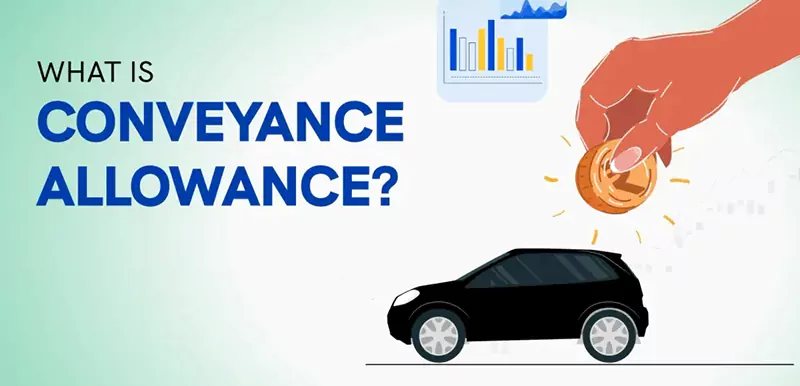
Traveling Allowance and Conveyance Allowance differ primarily in purpose and scope. While the traveling allowance covers expenses for long-distance, official travel, the conveyance allowance covers local, day-to-day travel costs.
Here’s a table of difference between the traveling allowance and the conveyance allowance:
| Traveling Allowance | Conveyance Allowance |
| Traveling allowance reimburses expenses incurred for official travel. | Covers daily transportation costs between home and the workplace. |
| Generally provided on a reimbursement basis, requiring proof of expenses. | Often, a fixed amount is provided monthly as part of the monthly payroll and is mentioned in the salary slip. |
Bottom-Line
Travelling allowance is a crucial component of employee compensation. It ensures staff are not financially burdened when performing duties away from their regular workplace. By providing clear policies on daily allowances and reimbursements, organizations facilitate business growth, ensuring compliance with tax regulations. This benefits both the company’s financial efficiency and the employee’s satisfaction.
FAQs
1. What is the traveling allowance?
Ans: Traveling allowance is a financial reimbursement provided by an employer to an employee.
2. What do travel allowances mean?
Ans: Travel allowance is a financial reimbursement that covers the expenses during business-related travel, including airfare, accommodation, meals, and transportation.
3. What is the basic travel allowance?
Ans: The basic travel allowance in India is capped at ₹ 1,600 ($17.6) per month, which accounts for ₹ 19,200 ($211.2) annually.
4. What is a reasonable daily travel allowance?
Ans: In India, the cap is ₹ 800-₹ 1,200 ($ 8.8- $13.2) for food or incidentals and ₹ 2,500-₹ 4,500 ($27.5-$49.5) for accommodation.
5. What is the IRS’s daily travel allowance?
Ans: The IRS daily travel allowance is ₹ 28,990 ($319) per day for high-cost areas, and ₹ 20,447 ($225) per day for all other areas.