

As the mining, construction, oil and gas industries operate in offshore and isolated areas, they require a skilled workforce to perform specific tasks efficiently.
While hiring new employees for fresh projects can incur significant expenses, they utilise FIFO jobs for allocating trained staff to remote locations. You can simply understand fly in fly out jobs as an employment agreement that temporarily relocates workers to project sites based on the firm’s requirements.
However, if you are planning to pursue a FIFO career, read our comprehensive article below to analyse its common schedules, benefits, and limitations.
What are FIFO Jobs?
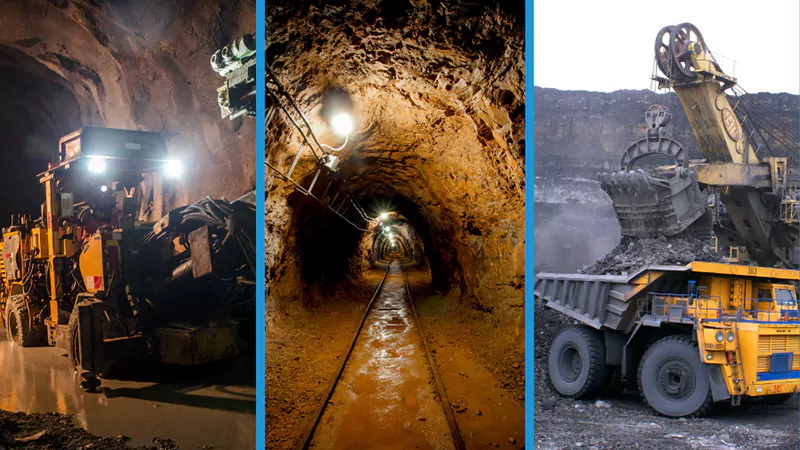
FIFO jobs stand for fly in fly out jobs, and they refer to a structured approach where employees or workers are transferred to a designated remote site to work for a particular period of time.
These jobs are often associated with mining, construction, oil or energy industries, as they are primarily used in Australia, Canada, and certain parts of the USA.
While FIFO work requires extended workload shifts, it is an employee arrangement that allows workers to move to the company’s or industry’s location and return home once the work concludes.
As fly in fly out careers offer prominent employee benefits like Dearness Allowance (DA) and attractive salary, it also holds certain limitations of extended work hours and prolonged detachment from family.
Why Organisations Use FIFO Employment Arrangement?
These employment contracts are used by firms to have access to a qualified workforce at remote job sites, along with reducing costs for short-term projects. Learn about them in detail below.
- Gaining Access to Skilled Workers: As it is difficult to find skilled labourers in remote areas, firms use these employment deals to ensure hiring managers can recruit from a vast talent pool and allocate them to isolated sites.
- Lowering Expenses for Short-term Projects: Firms are not required to hire new staff for short-term projects; they can use this approach to deploy workers and provide temporary housing that mitigates relocation expenses.
- Enhancing Productivity and Operational Efficiency: Employers have the flexibility to assign only the required workforce to sites and adjust numbers based on project demands, which streamlines operations and improves productivity.
What are the Primary FIFO Jobs Industries and Roles?
The mining, oil, and gas industry, along with the infrastructure and energy sectors, mainly use these fly in fly out jobs. It helps them to avoid daily commuting to remote locations and ensure operational efficiency. Let’s check these industries and associated roles below:
Mining Industry
Mining is the primary industry that mostly uses the FIFO job employee arrangement, as it helps them in efficiently carrying out natural resource extraction and mining operations.
You can apply for fly in and out mining jobs in Western Australia and specific regions of the USA.
Common FIFO Career in the Mining Industry:
- Mining machine operators, including Excavator and front-end Loader operators.
- Site maintenance technical professionals, including electricians and equipment mechanics.
- Drilling and blasting machine operators.
- Mining engineers and Field Surveyors.
Energy Sector
The gig workers are required through these FIFO job arrangements to perform tasks for solar energy, wind energy, or wind energy projects at site locations.
You can apply for these roles after getting additional safety certificates and having optimal knowledge of its operations and maintenance.
Common FIFO Career in the Energy Sector:
- Wind turbine and solar technicians.
- Power Plant operators and field maintenance technicians.
- Machine mechanics and plumbers.
- Production and operations manager.
Oil and Gas Industry
From offshore oil and drilling platforms to gas pipeline installation projects and remote oil processing plants, these employee arrangements are used.
While these jobs offer impressive salary compensation, you must apply for them after assessing the tough conditions and prolonged hours required for work.
Common FIFO Career in the Oil and Gas Industry:
- Petroleum and production engineers.
- Instrument mechanics and crane operators.
- Derrickhand, toolpusher, and drilling fluids engineer.
- Terminal and refinery operators.
Infrastructure Sector
These labour arrangements help in employing skilled workers at the on-site locations of large-scale infrastructure projects. These include government or private constructions of dams, highways, solar plants, railways, and buildings.
Common FIFO Career in the Infrastructure Sector:
- Construction labour and mason.
- Heavy machinery operators.
- Site supervisors and project managers.
- Roofing labourers, carpenters, and welders.
Logistics Sector
These workers assist in the smooth functioning of the logistics sector through managing remote sites and inventory control. They also provide remote IT support and manage material handling, along with contributing effectively to supply chain management.
Common FIFO Career in the Logistics Sector:
- Warehouse assistant and supervisor.
- Equipment operator for transferring heavy inventory.
- Supply chain associate and procurement staff.
- Freight specialist and logistics data analyst.
Healthcare Sector
While FIFO jobs have a limited presence in the healthcare sector, they play a crucial role in assisting critical patients present in isolated locations. They also help in managing health emergencies of remote workers where medical assistance is not easily available.
Common FIFO Career in the Healthcare Sector:
- Travel nurses and home care workers.
- Clinical research associate.
- Medical operations analyst.
- Telemedicine physician.
Also Read: 90 Good Questions To Ask In An Interview: A Detailed Guide For Employers And Candidates
What are the Common FIFO Work Schedules?
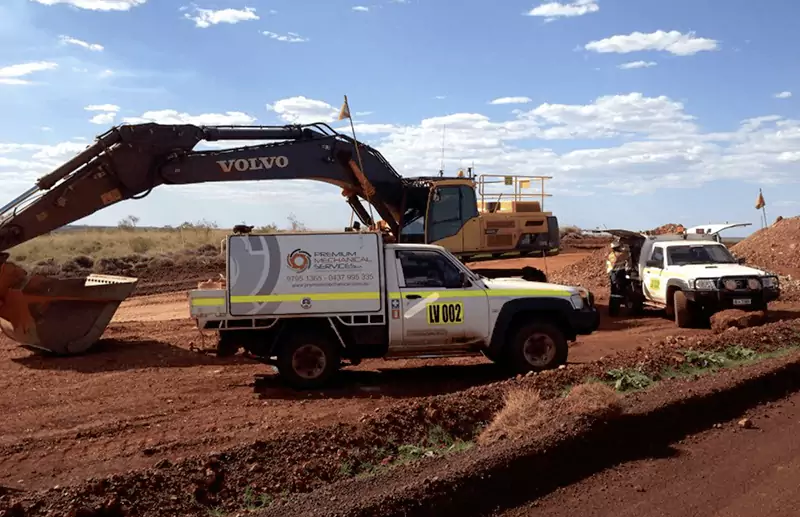
Although the job role is exhausting, with prolonged hours of work, organizations are required to prepare a roster that contains adequate time off days for employees. It helps them in efficient recovery for achieving maximum productivity.
However, the roaster and business working days depend on the appointment letter provided by the employer. Explore the most common FIFO work schedules below:
- 14/7 Days: It is the widely preferred schedule by firms that contains 7 days of time off after 14 days of on-site work.
- 14/14 Days: This schedule delivers significant work-life balance, with two weeks of duties and 14 days of rest.
- 9/5 Days: As this roaster consists of 9 days of work and 5 days of rest, it is primarily used for day shifts.
- 8/6 Days: Similar to the 9/5 pattern, it provides more comfort to the workers with 8 assigned days and 6 rest days.
- 21/7 Days or 28/7 Days: This approach is mainly utilised for offshore or international locations that require workers with niche expertise.
Which Benefits and Limitations are Associated with FIFO Work?
While FIFO jobs offer excellent remuneration, higher PTO days, and employment perks, it is a role that is not widely preferred by the workforce. However, to understand why these job positions hold a limited interest among workers, check out the pros and cons table below.
| Benefits | Limitations |
| These arrangements equip employers with the flexibility to deploy the workforce to relevant locations and scale as per project requirements. | Employees have to work at isolated sites for long hours and face harsh weather conditions. This leads to a higher attrition rate and gives them a good reason to leave the job. |
| It significantly helps employees in having a job offer letter with higher pay and lowers their living expenses. | Organisations face the challenge of managing costs for these positions, as they must provide flights, accommodation, food, and cover other travel expenses. |
| Enhances the efficiency of remote projects, as organisations can have the staff working in isolated locations in extended hours. | It is a challenging occupation that requires mental and physical resilience, as they become vulnerable to fatigue, stress, and poor sleep quality. |
| By reducing the need to relocate, employees can live in their hometowns while receiving free or subsidised housing from the employer during the workweek. |
Also Read: LWD Full Form Explained: Last Working Day in a Job
Wrapping Up
FIFO jobs are used for temporarily posting employees to remote job sites, often for labour-intensive work. This allows firms to gain access to skilled workers while reducing project costs.
However, managing FIFO job rosters is often challenging; you can use an advanced HR software like Managetrix for automating scheduling tasks and tracking staff performance. It also assists in time and attendance management, along with complying with legal regulations.
FAQs
1. What is a FIFO job, and why is it used?
Ans: FIFO refers to fly in fly out jobs, which are employee arrangements in which assigned workers are moved to a dedicated work location for a specific period of time. It is used to access skilled labourers to carry out tasks in isolated locations.
2. How does Managetrix help in managing FIFO work and HR tasks?
Ans: Managetrix is an advanced HR software that automates repetitive HR operations while managing hiring, time and attendance, along with the employee payroll of the organisation.
3. What skills do I need for FIFO jobs in the USA?
Ans: For getting these roles in the USA, Australia, or Canada, you are required to have the technical expertise and the relevant knowledge of handling the concerned equipment, along with strong analytical skills.
4. What are the common examples of FIFO jobs in the United States?
Ans: Some primary examples include mining machine operators, wind turbine and solar technicians, machine mechanics, plumbers, site supervisors, and project managers.